The avian bird flu, also known as H5N1, has been making headlines recently due to its impact on both humans and animals. This highly contagious virus has been spreading across the country, causing illness in pets and leading to a series of recalls on raw pet food. Here’s what you need to know to keep your pets safe and healthy.
The Impact of Bird Flu on Pets
The Risks of Raw Pet Food
Safe Alternatives: Canned Pet Food
One of the safest alternatives to raw pet food is canned pet food. Canning is a highly effective method of preserving food and ensuring its safety. Here’s why:
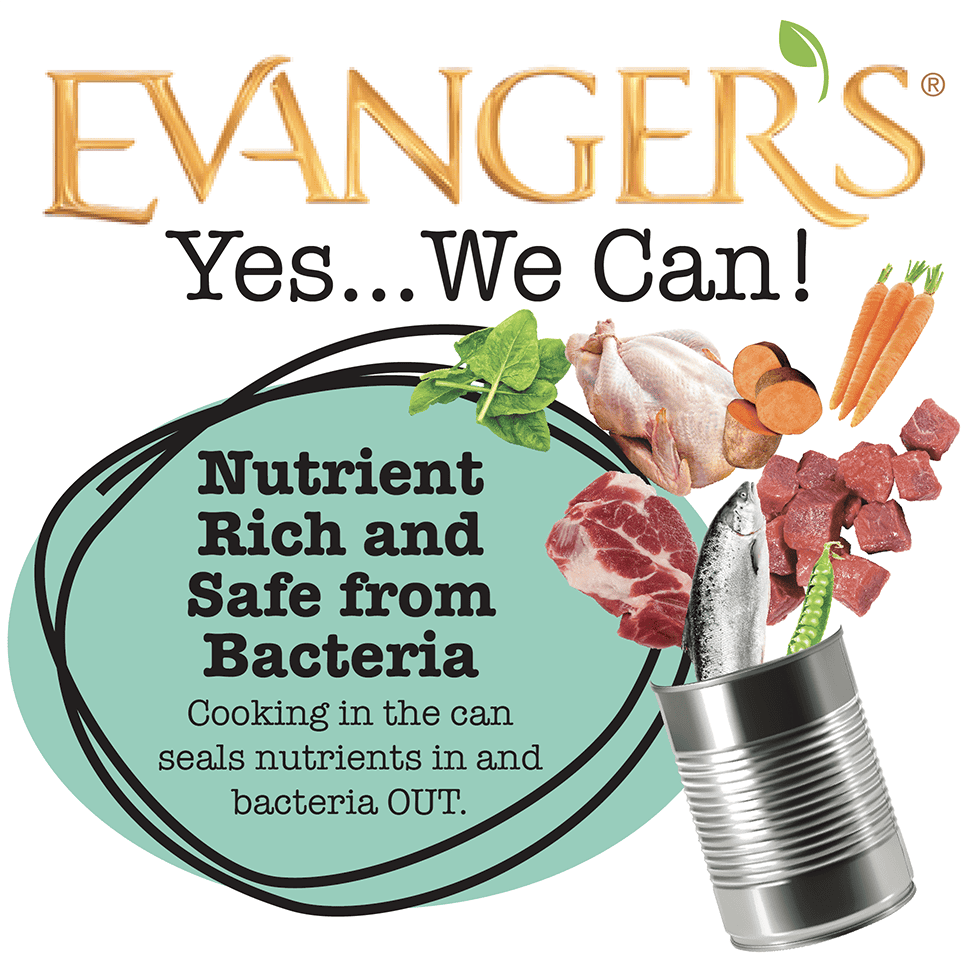
2. Sealed Environment: The canning process involves sealing the food in an airtight container, which prevents any contamination after cooking. This ensures that the food remains safe and free from pathogens until it is opened and served to your pet.
Frequently Asked Questions
Q: Can my pet get bird flu from eating canned food?
A: No, the canning process kills harmful pathogens, including the bird flu virus, making canned food a safe option for your pets.
Q: Is canned food as nutritious as raw food?
A: Yes, canned food retains its nutritional value because it is cooked at low temperatures. This process locks in essential nutrients while ensuring the food is safe to eat.
Q: How can I ensure my pet’s food is safe?
A: Always check for recalls and choose reputable brands that follow strict safety protocols.
Evanger’s canned pet foods are a great option as they prioritize safety and nutrition.
Q: What should I do if my pet shows symptoms of bird flu?
A: If your pet exhibits symptoms such as loss of appetite, lethargy, or respiratory issues, contact your veterinarian immediately. Early detection and treatment are crucial.